
ICSolutions a surveillance company owned by Keefe Group is used by over 230+(13%) prisons out of the 1,664 the U.S. owned and operated sites of torture and neglect. Used by the BOP, many local jails, and 6 statewide prison systems including Illinois. It casts a wide range of nets, grouping people together in an infinite growing web of surveillance, and info currency. This info is kept in 2 data centers. ICSolutions primary data center is in Atlanta, GA while the secondary data center resides in San Antonio, TX. The goal is to build a heavily fueled prison rooted consciousness, that allows for more surveillance model growth into societal structure. Causing basic information to become evidence that can be owned forever in data centers turned biometric prisons.
Keefe, a predatory prison vendor, has been the source of multiple lawsuits for keeping peoples finances upon release and destroying media purchases after contract changes. They have been in the news recently due to overpriced commissary boycotts happening in the California City Detention Center. In this brief section of the Surveillance Report 2, we look at the ICSolutions programs used behind the scenes by prison staff and collaborating agencies that are used to surveil and expand the watch of the prison panopticon. Surveillance is a tool of domestic warfare, mapping our relationships, movements, actions, and thoughts, to create persons of interest and kill lists. Aided by technotainment and purposefully loose lipped collaborators joining in the battalion of the pigs. These tools of stalking merge with the hands of the state, secretly redefining “threat levels” at will.
The ENFORCER’s Inmate Detail Screen Shows each incarcerated persons Personal Allowed/Blocked Numbers (PAN) list, their disciplinary rules, and call activity. The Pan list identifies each person by name, address, and relation to an incarcerated person. PAN history is also available for scrutiny.
The 3 Way Call Detection picks up when 3 way calls are dialed on the phone, and alerts staff for an investigation, and/or to end the call. Sometimes a disciplinary action can be taken against the incarcerated person, taking away their phone access. The ENFORCER builds 3 way call lists, and has a top 25 list for 3 way call lists for investigation.
The Observer’s Call station list shows what phone and/or tablet the call is being made from. The call recording screen allows the users to rewind the recording as it is still being recorded. Alert editing screen can enter specific numbers to cause investigative actions. By clicking on the REVERSE LOOK UP the user can see the latest photo of the address and satellite image of the address on file.
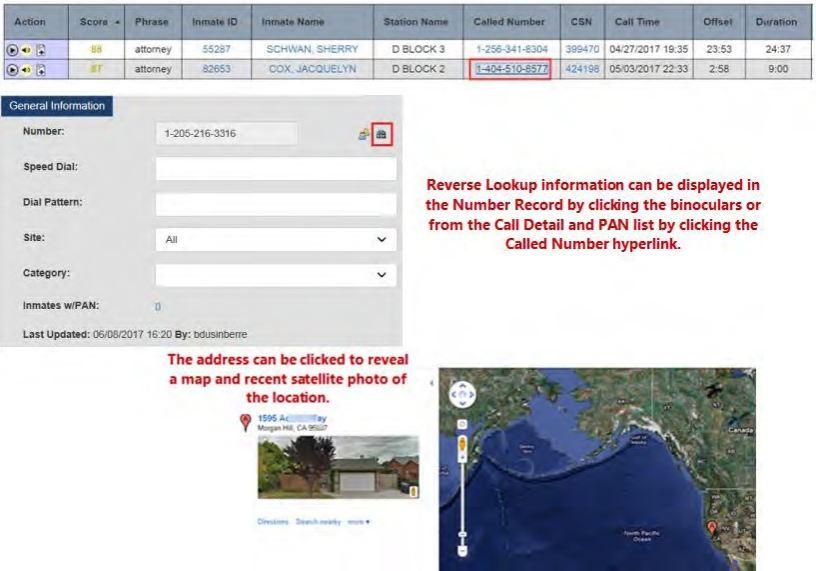
The Analyzer maps and builds links between callers and call receivers, grouping them all together.
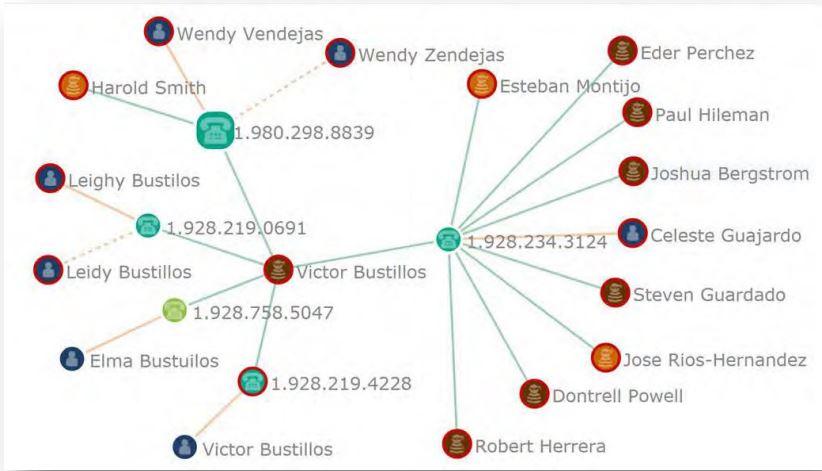
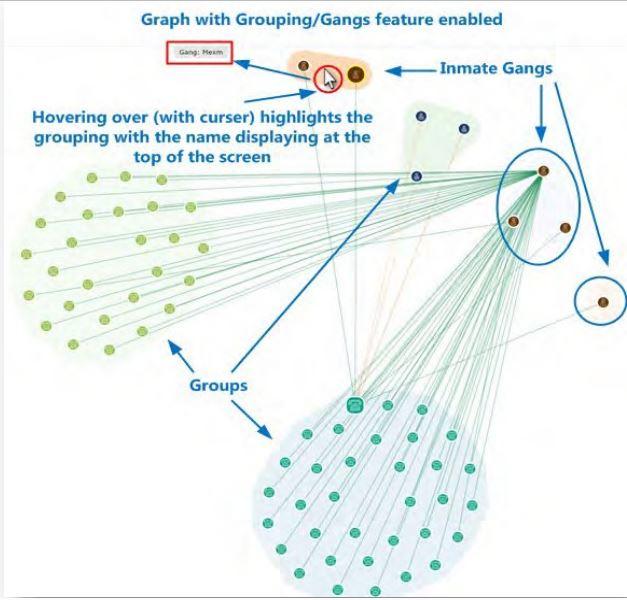
A number will show its owners name, and who else has talked on that line, linking them to everyone who called it. And an individual caller shows links to everyone they called, branching them all together, with color codes identifying people of interest. Building a map of degrees of surveillance. Links are also built to map out which call receiver speaks to which person by their labeled gang or Security Threat Group (STG).
The Call Analysis function builds persons of interest by showing a phone numbers amount of incarcerated calls, and number of different facilities that number has callers from. It also directly links to The Observer’s recordings, the Reverse Look Up and Analyzer links screen.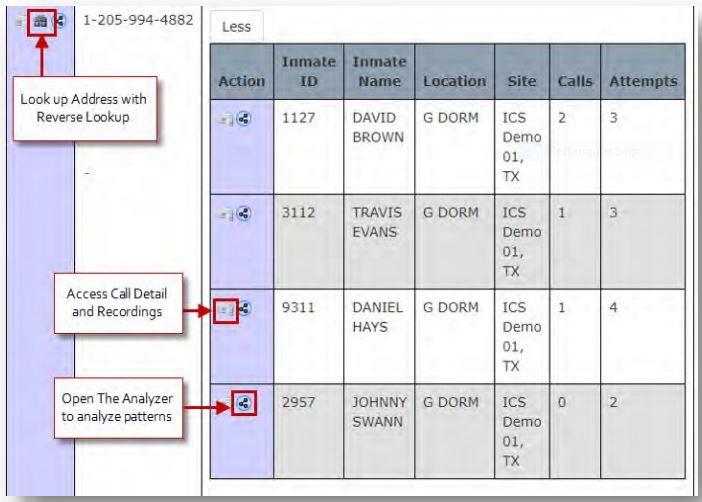
THE ARGUS INVESTIGATIVE SUITE’s Argus Echo 2.0 surveil 3,000,000+ minutes of phone calls per day, using AI and machine learning to build databases of biometric information and personal identifiers of involved parties, while transcribing in over 60 languages and recording calls. It’s capable of recording and separating up to 10 voices to a single recording track. With the ability to identify the voice, in any language in 3 seconds.
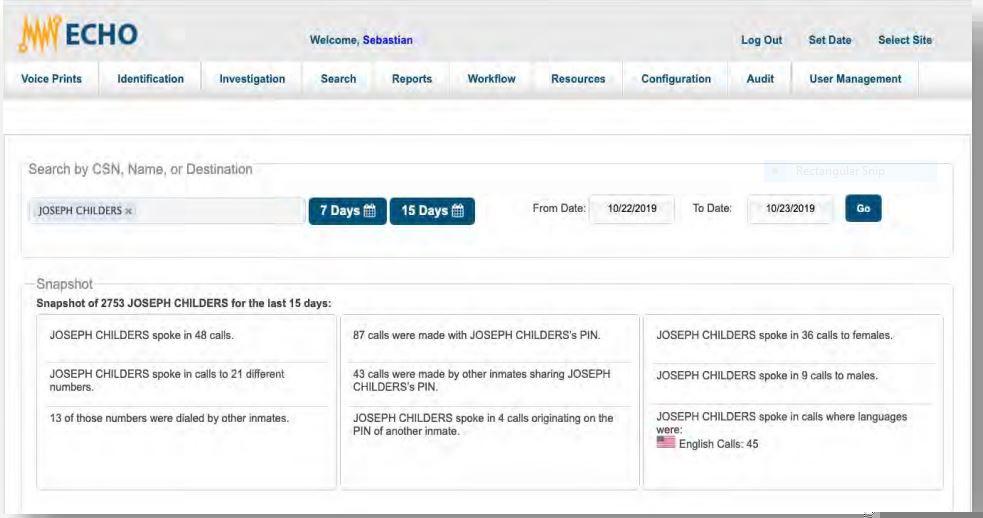
The Echo 2.0 surveil beyond prison based phone calls. Isolating audio from outside sources, creating bio metric voice prints for future investigations and future persons of interest. The Echo 2.0 Snapshot uses the “target’s voice”, pin, and called party information. One of its features details total observation of an incarcerated person and their PIN, showing:
- how many different people the PIN holder spoke to
- how many different calls the PIN holder spoke on
- how many phone numbers were dialed using that incarcerated persons PIN
- how many calls were made using the PIN holders PIN
- how many calls were made by other people using that incarcerated persons PIN
- how many other PIN holders phone calls that person spoke on
- how many different genders the PIN holder spoke to, and how many times
- And how many languages were used and how many times
Visual Link Analysis stalks a person receiving calls, its window shows reverse look up, phone type, phone carrier, how long the phone has been active with calls from inside, assigned alias of phone holder, and maps phones associated address.
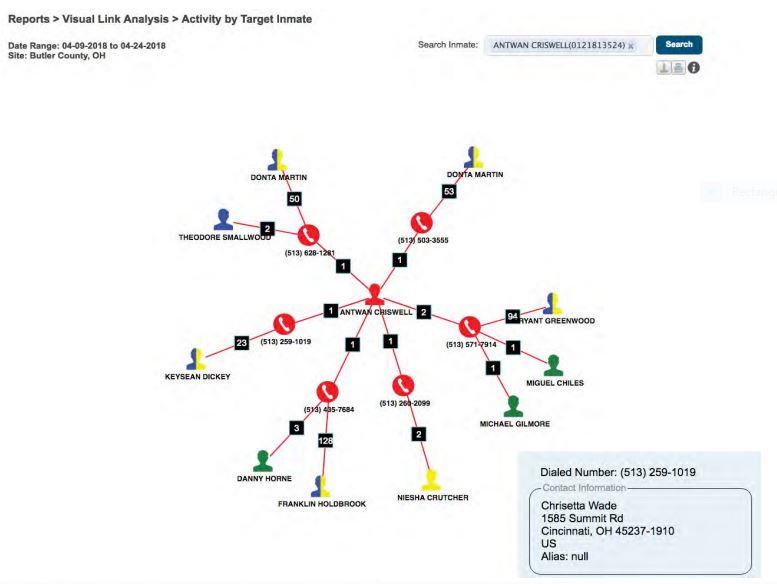
Image description: the incarcerated caller is in the center, with branches leading out to phone numbers they have dialed and how many times they dialed them. The branches extend outward to other incarcerated callers PINS varying in color, showing the number of times they called that number from other peoples PINS, and times they were additional voices on a call to that number from other peoples PINS.
Argus Transcription and Translation surveil transcribing in over 60 languages, and uses phonetic indexing to further identify a speakers identity by analyzing how a speakers words are pronounced. It identifies words, phrases, and topics of the states interest for investigations not only in these callers calls, but can use these identifiers to locate their use in any incarcerated persons calls.
Postal Mail Scanning
While legal mail can not be scanned, most people in jail, prisons, and detention centers do not have consistent access to lawyers, and instead they remain incredibly vulnerable, having to rely on their family for help with issues that are spied on and documented by the jail, prison, and detention center staff. This information would not be spied on if they had access to legal representation. This leaves them vulnerable to retaliatory attacks by guards and other staff for reporting conditions that they are facing inside. In addition family members also help with legal and other research. These conversations are not safe, and are less safe under mail scanning. Mail scanning surveillance combines with phone and email surveillance techniques. Where each address will be linked in a database showing every person in the prison they have sent mail to. And each person in prison will be linked in a database to every address they have sent mail to. The database will link the relationships of each individual in custody who has mailed/received to/from the same location. In addition these databases will be linked to the phone and email databases via the callers mailing address and credit card address used for purchasing credits for corrlinks or similar services, and will flag persons of interest based on how much mail and who they send it to. A larger database already exists. “There are currently 1,915,000 people locked in jails, prisons, and detention centers operated by the U.S., if each of these people has 10 points of contact, then that’s at least 19,150,000 people under surveillance by the prison industrial complex and its collaborators… If you were to make a phone call to a person locked up in Cook County Jail today, then next year you were in New York and used the phone of a resident there to call a person in a NY jail. And then the next year used a phone of a different resident in California to call a local jail there. All of these phone calls will be linked courtesy of voice biometric data.”–For The Discourse Spring 2024, The Surveillance Report
Mail scanning surveillance works like combining the Argus Transcription combined with the Analyzer’s associated call pattern tracking and data mining application. Detailing interactions with highly modifiable parameters, to digitally chain-link individuals together. Attempting to compose the users relationship to “criminal activity” through Six Degrees of Surveillance (six degrees of separation). “Using The Analyzer, authorized facility staff will be able to search varying degrees of separation in order to establish links from inmate to inmate, inmate to end user, or end user to end user.” Mail scanning surveillance will read and flag based on key word, phrases, topics, and imagery. Which leads to the question if photos sent through mail scanning are linked by including facial recognition, which would then link through other online sources building wider investigatory connections and surveillance data.